 WhatsApp


Why Cardboard Containers Remain Essential for Business
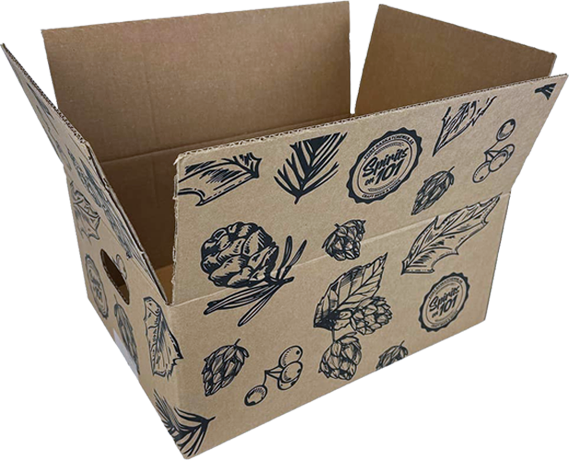
From warehouses to kitchen pantries, cardboard containers serve countless purposes in daily life. These humble boxes have evolved far beyond simple storage solutions, becoming integral to how businesses operate and consumers organize their spaces.
Understanding Cardboard and Boxes Construction
The term cardboard and boxes encompasses a wide range of materials and styles. Single-layer cardboard works well for lightweight applications, while corrugated varieties sandwich a fluted middle layer between two flat sheets for enhanced strength.
Manufacturers produce cardboard containers in various thicknesses measured in points or flute sizes. A-flute offers maximum cushioning, B-flute provides excellent printing surfaces, and C-flute balances both qualities. Each construction serves different purposes depending on weight requirements and handling conditions.
Common Types of Cardboard Containers
Storage containers feature reinforced corners and hand holes for easy lifting. These sturdy boxes organize files, clothing, and household items in homes and offices. Many include removable lids that protect contents from dust while allowing quick access.
Shipping containers prioritize durability over aesthetics. Manufacturers construct them using heavier board stock that resists punctures and compression during transit. Brown kraft exteriors dominate this category, though white options provide cleaner printing surfaces.
Food-grade cardboard and boxes meet strict safety standards for direct product contact. Pizza boxes, bakery containers, and produce trays all fall into this category. Special coatings prevent grease penetration and moisture damage.
Products That Rely on Cardboard Packaging
The moving industry depends heavily on cardboard containers of all sizes. Wardrobe boxes include metal hanging bars for clothing. Dish pack boxes feature thick walls that protect fragile items. Book boxes use smaller dimensions to prevent excessive weight.
Retailers ship everything from electronics to furniture using corrugated cardboard and boxes. Custom inserts hold products securely while branded printing transforms plain containers into marketing tools.
Offices store archived documents in standardized banker boxes designed for shelving systems. These containers stack efficiently and include label areas for easy identification of contents.
Environmental Benefits of Choosing Cardboard
Cardboard containers lead the packaging industry in sustainability. Most contain significant recycled content while remaining fully recyclable after use. The material biodegrades naturally if it reaches landfills.
Many businesses now choose cardboard and boxes specifically for environmental messaging. Consumers increasingly favor brands that minimize plastic packaging in favor of paper-based alternatives.
Cardboard remains affordable, practical, and environmentally responsible, making it the go-to choice for packaging needs across every industry.
For cardboard and boxes in USA, visit Cactus Containers for help.