 WhatsApp


How Corrugated Packaging Boxes Deliver Protection
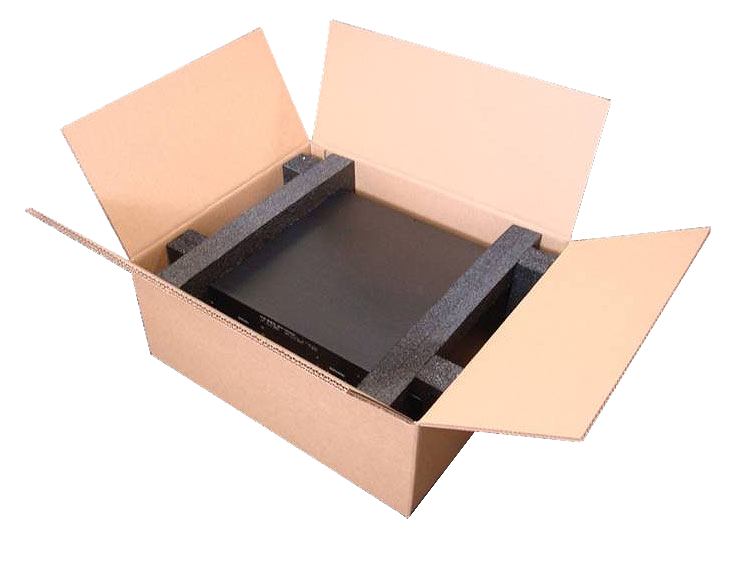
A corrugated packaging box combined with proper protective packaging ensures items arrive intact regardless of handling conditions. This prevents countless hazards between manufacturing and final delivery. Understanding how these systems work helps businesses reduce damage rates and customer complaints.
Understanding Corrugated Packaging Box Structure
Corrugated packaging box construction sandwiches a fluted paper layer between two flat liner boards. This design creates air pockets that absorb impacts while maintaining structural rigidity under compression. The kraft paper exterior resists moisture and provides excellent surfaces for printing and labeling.
Flute sizes determine cushioning characteristics. A flute provides maximum shock absorption with its tall waves. B-flute offers printing advantages with tighter corrugations. C-flute balances both properties for general applications. Manufacturers also produce combination boards that layer multiple flute types for specialized needs.
Key Characteristics of Protective Packaging
Protective packaging encompasses all materials that safeguard products during storage and transit. This includes the outer container plus interior cushioning, void fill, and specialized inserts designed for specific product shapes.
Effective corrugated packaging box systems match protection levels to product fragility. Electronics require different solutions than clothing. Glassware demands more cushioning than books. Evaluating each product’s unique vulnerabilities guides appropriate material selection.
Material options for protective packaging range from paper-based products to foam and air-filled alternatives. Sustainability concerns increasingly favor recyclable and biodegradable choices that perform equally well.
How Corrugated Packaging Box Systems Work Together
The outer corrugated packaging box resists punctures, moisture, and stacking pressure. It creates a protective shell that defines the shipping envelope and accepts handling labels. Proper sealing with quality tape ensures the container stays closed throughout transit.
Interior protective packaging suspends products away from box walls where impacts concentrate. Corner protectors, molded pulp trays, and foam inserts keep items centered and immobilized. These components work as a system rather than individual elements.
Void fill prevents movement when products don’t completely fill containers. Paper, air pillows, and packing peanuts occupy empty spaces that would otherwise allow shifting and potential damage.
Products Requiring Maximum Protection
Electronics manufacturers depend on corrugated packaging box systems for televisions, computers, and appliances. Custom foam inserts match product contours precisely and absorb shock from drops.
Glassware and ceramics ship safely with appropriate protective packaging surrounding each piece. Individual wrapping plus cushioned compartments prevent contact damage between items.
Medical devices and laboratory equipment require validated packaging systems. These sensitive products demand corrugated packaging box solutions tested to specific performance standards established by regulatory agencies.
Designing Effective Protection
Analyze your product’s vulnerabilities before selecting packaging. Consider drop heights, vibration exposure, and climate conditions throughout the distribution chain. Test proposed solutions under realistic conditions before full deployment to ensure reliable performance.
For corrugated packaging box in USA, we recommend to visit Cactus Containers for assistance.