 WhatsApp



Cardboard Boxes in the 1500s? The Secret Forgotten Origins
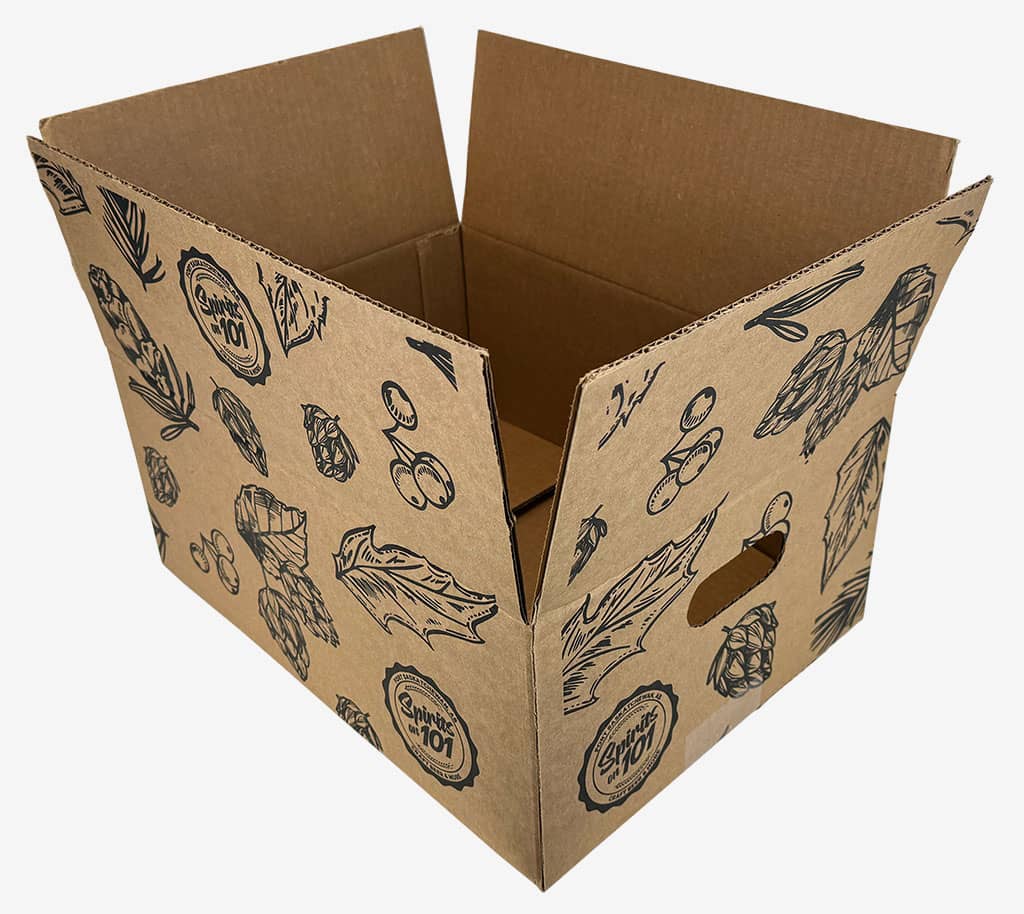
What do ancient Chinese inventions, French paper makers, breakfast cereal, and today’s e-commerce deliveries have in common? They all play a part in the history of cardboard boxes!
Cardboard may seem like a modern invention, but its story stretches back centuries. From early paper making techniques to box businesses rely on today, its evolution is full of surprising milestones. Here’s how a simple sheet of paper became one of the world’s most useful packaging materials.
The Beginning: China and the 1500s
The story starts in China, where paper making had already been developed centuries earlier. Some historical accounts trace early cardboard-like material to the 1500s, when paper-based materials were used for practical purposes.
However, there’s an important distinction: early cardboard was not the corrugated shipping box we recognize today. That invention would take several more centuries.
Around 1840: Cardboard Arrives in France
France played an important role in cardboard packaging history. Around 1840, manufacturers began using cardboard boxes to transport silkworm moths and their eggs. These boxes provided a lightweight, practical way to handle delicate goods.
This was an early example of packaging designed around a product’s specific protection and transportation needs.
1856–1874: The Corrugated Paper Revolution
Here’s where things get interesting.
In 1856, English inventors Edward Healey and Edward Allen patented pleated paper. Surprisingly, it wasn’t intended for boxes. It was used as a lining inside tall hats to give them a structure.
In 1871, American inventor Albert Jones patented corrugated paper for wrapping fragile items such as glass bottles.
Then, in 1874, Oliver Long improved the design by adding flat paper liners to corrugated material. This created the basic structure of modern corrugated cardboard: a fluted middle layer between flat outer sheets.
1890–1895: Cardboard Boxes Take Shape
In 1890, Scottish-born printer Robert Gair developed a way to cut and crease paperboard in one operation, producing flat box pieces that could be folded into shape when needed.
By 1895, the first corrugated cardboard boxes were being manufactured in the United States. Businesses now have a lighter, more practical alternative to heavy wooden shipping crates.
1906: Kellogg’s Brings Cardboard to Breakfast
In 1906, W.K. Kellogg founded his cereal company and introduced Corn Flakes. Kellogg helped popularize printed cardboard cartons for breakfast cereal, combining product protection with branding and advertising.
The original packaging even used a protective waxed wrapper around the outside of the carton. Over time, the familiar inner bag and printed outer box became the standard approach.
Today: Cardboard Boxes Are Everywhere
Fast-forward to today, cardboard boxes are essential to everyday business. From e-commerce deliveries and retail displays to food packaging and custom shipping cartons, they protect products, promote brands, and make transportation easier.
The next time a package arrives at your door, remember you’re looking at centuries of innovation packed into one simple box!
The takeaway? Cardboard has come a long way. And with today’s custom printing, sizing, and sustainable material options, businesses can make their packaging work harder than ever.
If you have cardboard questions in the USA, contact Cactus Containers for assistance.