 WhatsApp


Consumer Goods Packaging: A Comprehensive Overview
The way products reach consumers involves careful planning and strategic design choices. Consumer goods packaging serves multiple critical functions beyond simply containing items. It protects products during transit. It communicates brand identity, and influences purchasing decisions at every touchpoint in the supply chain.
The Role of Product Packaging
Packaging of products encompasses various container types, materials, and designs tailored to specific items and industries. Corrugated cardboard boxes remain the most common choice for shipping and distribution. These boxes feature fluted layers that provide cushioning and structural strength. They protect contents from impact, compression, and environmental factors during transportation.
Manufacturers select box specifications based on product weight, fragility, and shipping distance. Single-wall corrugated boxes work well for lightweight items like clothing and soft goods. Double-wall construction suits heavier products such as small appliances, books, and bulk food items. Triple-wall boxes handle industrial components and extremely heavy merchandise.
Protecting Different Product Categories
Food and beverage companies rely heavily on specialized consumer goods packaging that meets safety regulations while preserving freshness. These containers often include moisture barriers, grease resistance, and food-grade certifications. Cereal boxes, snack packaging, and beverage cartons all serve specific preservation purposes while displaying appetizing graphics.
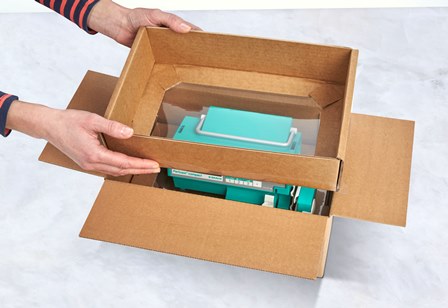
Electronics require protective packaging of products that prevents static damage and physical shock. Manufacturers often use custom-fitted foam inserts, anti-static materials, and robust outer boxes. Items like computers, tablets, cameras, and gaming consoles need multiple protection layers to survive shipping and handling.
Personal care and cosmetics products utilize packaging that combines protection with visual appeal. Glass bottles, plastic containers, and delicate compacts travel inside sturdy boxes with dividers or cushioning materials. The consumer goods packaging for these items often features premium finishes that enhance the unboxing experience.
Balancing Function and Sustainability
Modern packaging of products increasingly focuses on environmental responsibility alongside protection and branding. Companies now use recyclable corrugated materials, minimize excess packaging, and design boxes that require less material without compromising strength. Right-sizing packaging reduces shipping costs and environmental impact by eliminating wasted space.
The trend toward sustainable consumer goods packaging has led to innovations like biodegradable cushioning materials, water-based inks, and boxes made from recycled content. These developments allow businesses to meet consumer expectations for environmental stewardship while maintaining product protection standards.
Understanding the complexities of the packaging of products helps businesses make informed decisions that balance cost, protection, branding, and sustainability. Whether shipping fragile electronics or perishable foods or everyday household items, selecting appropriate packaging ensures products arrive safely. They also reflect brand values and meeting regulatory requirements.
To find packaging of products in USA, visit Cactus Containers for help.