 WhatsApp


Why Corrugated Cardboard Still Leads Packaging
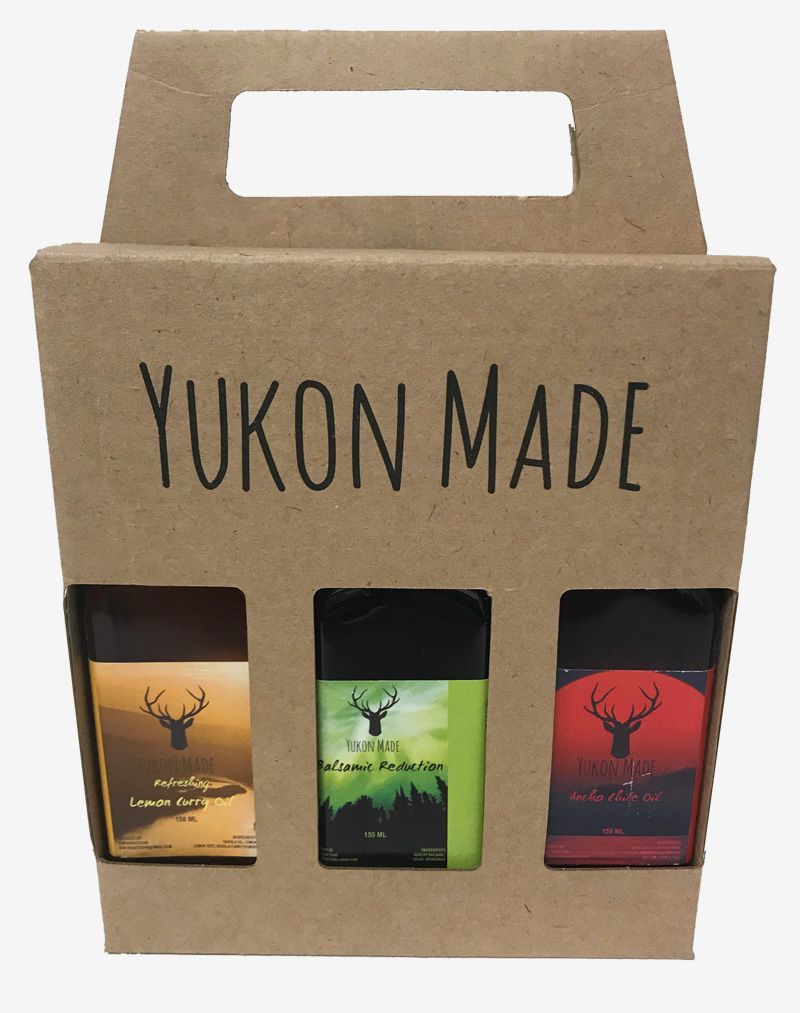
Corrugated Cardboard boxes have been incorporated with businesses starting in the late 1890s; moving away from wooden crates. From small businesses to global corporations, packaging professionals trust one material above all others. Corrugated cardboard delivers unmatched versatility, protection, and value that keeps it at the center of shipping and storage operations worldwide. Understanding this material helps businesses make smarter packaging decisions.
Understanding Corrugated Carton Construction
A corrugated carton consists of three distinct layers working together. Two flat linerboards sandwich a wavy middle sheet called fluting. This fluted layer creates air columns that cushion contents while providing impressive structural strength relative to weight. The combination weighs far less than solid materials, offering similar protection.
Manufacturers produce corrugated cardboard in various flute profiles suited for different applications. A-flute offers maximum cushioning with tall waves spaced widely apart. B-flute provides smoother surfaces for detailed printing with tighter corrugations. C-flute balances cushioning and printability for general shipping applications. E-flute and F-flute serve retail packaging where thin profiles and premium appearance matter most.
Key Characteristics of Corrugated Cardboard
Corrugated carton materials resist compression forces that would crush solid cardboard instantly. The air pockets within fluting absorb impacts and distribute pressure across larger areas. This engineering allows lightweight boxes to support surprisingly heavy loads during stacking and transit.
Moisture resistance varies by construction type and treatment. Standard corrugated cardboard sheds light water exposure but deteriorates with prolonged dampness. Wax coatings and synthetic treatments create effective barriers for products requiring humidity protection during extended storage or international shipping.
Burst strength and edge crush test ratings help buyers compare corrugated carton options objectively. Higher numbers indicate greater durability for heavy products and demanding shipping conditions that involve multiple handling points.
Common Applications for Corrugated Cardboard
E-commerce operations depend on corrugated cardboard for daily shipping needs across countless product categories. The material accepts custom printing for branded unboxing experiences while protecting contents through distribution networks spanning continents and climate zones.
Food and beverage companies choose corrugated carton packaging for produce, beverages, and packaged goods. Specialized coatings meet strict food safety requirements while ventilation holes maintain freshness for perishable items during transport.
Industrial manufacturers ship machinery parts, automotive components, and heavy equipment in heavy-duty corrugated containers. Triple-wall construction handles weights exceeding 100 pounds when properly specified for the application.
Products That Benefit from Corrugated Protection
Electronics travel safely inside corrugated cardboard boxes fitted with custom foam inserts. The combination absorbs drops and vibrations that would otherwise damage sensitive components during transit.
Fragile glassware and ceramics require corrugated carton packaging with interior dividers separating each piece. Individual cells prevent items from contacting each other while sturdy outer walls resist punctures.
Books, documents, and printed materials stack neatly in corrugated containers designed for weight efficiency. Smaller boxes prevent excessive loads that strain workers during handling operations.
For corrugated cardboards in America, visit Cactus Containers for help.