 WhatsApp


Why Cardboard Stock Quality Determines Packaging Performance
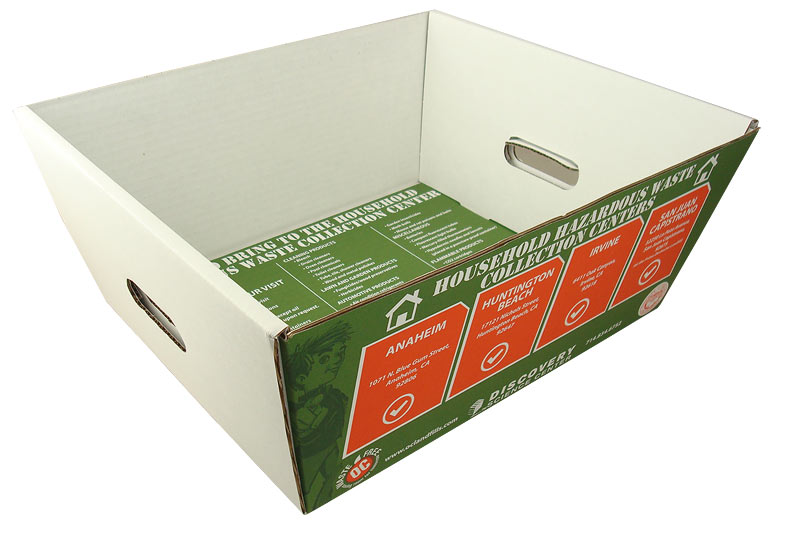
The foundation of every paper-based container starts with raw materials selected during manufacturing. Cardboard stock quality directly influences box strength, appearance, and durability throughout storage, shipping, and end-user handling stages.
Understanding Cardboard Stock Grades
Cardboard stock comes in various grades suited for different packaging applications and budget requirements. Virgin fiber provides maximum strength and a clean appearance for premium products. Recycled content reduces environmental impact while offering adequate performance for many everyday uses.
Weight measurements indicate cardboard bin and box material thickness objectively. Points measure caliper directly while pounds reference weight per specific sheet area. Higher numbers generally mean sturdier construction capable of supporting heavier content without bowing or collapsing.
Surface treatments affect both appearance and functional performance significantly. Clay coatings create smooth printing surfaces for detailed graphics. Wax applications add moisture resistance to humid environments. Laminations provide premium finishes suitable for retail presentation.
Characteristics of Quality Cardboard Bin Construction
A well-made cardboard bin starts with appropriate stock selection matching intended use. Storage applications require materials that maintain rigidity over extended periods without sagging. Boxes that warp or collapse fail for their primary organizational purpose quickly.
Cardboard stock stiffness determines how bins hold shape when only partially filled with contents. Quality materials resist bowing even when items inside don’t provide internal support. This characteristic matters especially for open-top designs displaying products or organizing supplies visibly.
Printing compatibility varies across cardboard bin materials depending on surface treatment. Coated stocks accept detailed graphics and photographs beautifully. Uncoated kraft surfaces suit simple text and rustic aesthetics preferred by certain brands.
Common Applications for Cardboard Bins
Retail stores use cardboard bin displays for promotional merchandise and impulse purchase items near checkout. Sturdy construction supports product weight while attractive printing draws customer attention effectively.
Warehouses organize inventory using cardboard stock containers in standardized sizes that maximize storage efficiency. Consistent dimensions maximize shelf utilization while clear labeling simplifies retrieval operations during order fulfillment.
Offices store supplies, files, and equipment in cardboard bin organizers designed for desktop and drawer use. Compartmentalized inserts keep items accessible and properly sorted throughout busy workdays.
Products Commonly Stored in Bins
Small parts, including hardware, fasteners, and electronic components, organize efficiently in cardboard bin systems with dividers. Separated trays keep different items apart while open tops allow quick access during assembly operations.
Retail products from candy to cosmetics display attractively in printed cardboard stock containers positioned strategically. Point-of-purchase bins drive impulse sales effectively near checkout areas and end caps.
Children’s toys, art supplies, and educational materials are stored neatly in decorated bins featuring colorful graphics. Parents appreciate attractive organization solutions that encourage kids to maintain tidy play spaces independently.
For cardboard bins in the USA, visit Cactus Containers for additional help.