 WhatsApp


How Biodegradable Packaging Supports Environmental Goals
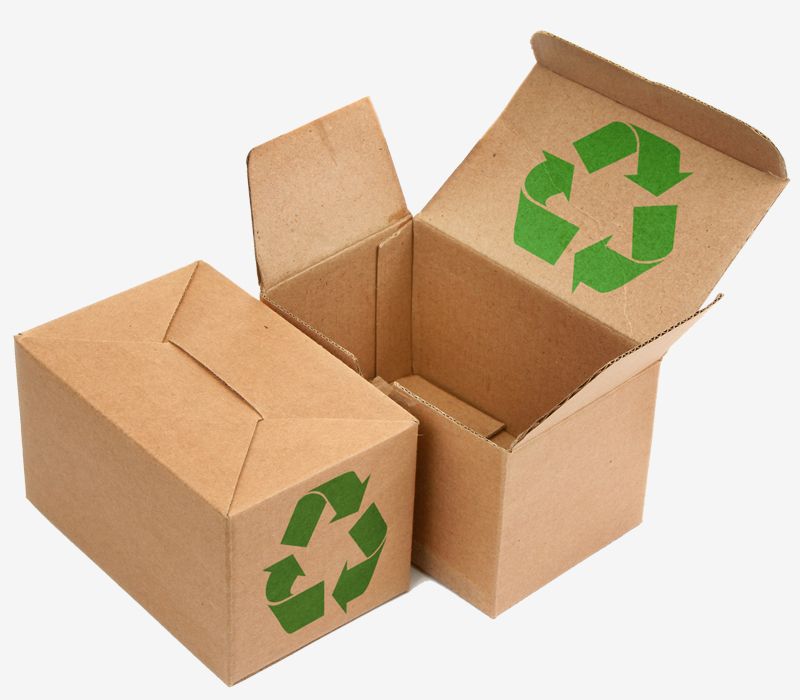
Consumer awareness about environmental impact grows stronger every year across all demographics. Biodegradable packaging and eco-friendly packaging options help businesses meet sustainability targets while maintaining the product protection standards customers expect from quality brands.
Understanding Biodegradable Packaging Materials
Biodegradable packaging breaks down naturally through biological processes without human intervention. Microorganisms consume these materials over time, converting them into water, carbon dioxide, and organic matter. This decomposition occurs without leaving harmful residues in soil or water systems that damage ecosystems.
Common eco-friendly packaging materials include paper, cardboard, plant-based plastics, and agricultural waste products. Cornstarch produces compostable packing peanuts that dissolve water. Mushroom mycelium creates molded cushioning for fragile items. Seaweed derivatives form flexible films suitable for food wrapping applications.
Characteristics of Eco-Friendly Packaging Options
Genuine biodegradable packaging meets specific certification standards verified by independent testing organizations. Look for labels indicating compliance with ASTM D6400 or EN 13432 requirements before making purchasing decisions. These certifications verify materials decomposed within defined timeframes under proper composting conditions.
Performance varies considerably across eco-friendly packaging alternatives available today. Some materials match conventional plastic durability while others suit only limited applications. Moisture sensitivity affects certain options more than others, requiring careful selection based on specific product needs and shipping conditions.
Shelf-life considerations matter for biodegradable packaging inventory management. Unlike petroleum-based plastics that remain stable indefinitely, some bio-based materials degrade slowly even before using them. Proper storage in climate-controlled environments extends usable life significantly.
Industries Embracing Eco-Friendly Packaging Solutions
Cosmetics brands attract environmentally conscious consumers through visible biodegradable packaging choices. Refillable containers, paper-based tubes, and compostable shipping materials reinforce sustainability messaging throughout the entire customer experience from purchase to disposal.
Food companies face growing demand for eco-friendly packaging that maintains freshness without causing environmental harm. Innovative solutions address challenging requirements like oxygen barriers and grease resistance using renewable materials derived from plants.
Fashion retailers replace plastic polybags with recycled paper mailers that protect garments adequately. Tissue paper from certified sustainable forests replaces virgin materials in gift presentations and premium packaging.
Products Suited for Sustainable Containers
Dry goods including clothing, accessories, and home décor ship safely in biodegradable packaging without moisture concerns affecting product quality. Paper mailers and cardboard boxes protect contents adequately for most transit conditions encountered domestically.
Artisanal foods package attractively in kraft containers that communicate handcrafted quality visually. Eco-friendly packaging reinforces brand values for producers emphasizing natural ingredients and traditional production methods.
Subscription services increasingly feature biodegradable packaging that environmentally aware subscribers genuinely appreciate. Monthly deliveries create recurring waste that conscious customers want to minimize through sustainable material choices.
For biodegradable packaging in USA, contact Cactus Containers for assistance.